Compare 4×4 car hire in Australia for trips where higher ground clearance, stronger traction, or extra load space may be useful. Booking ahead can improve vehicle choice, especially in peak travel periods and in remote pick-up locations.
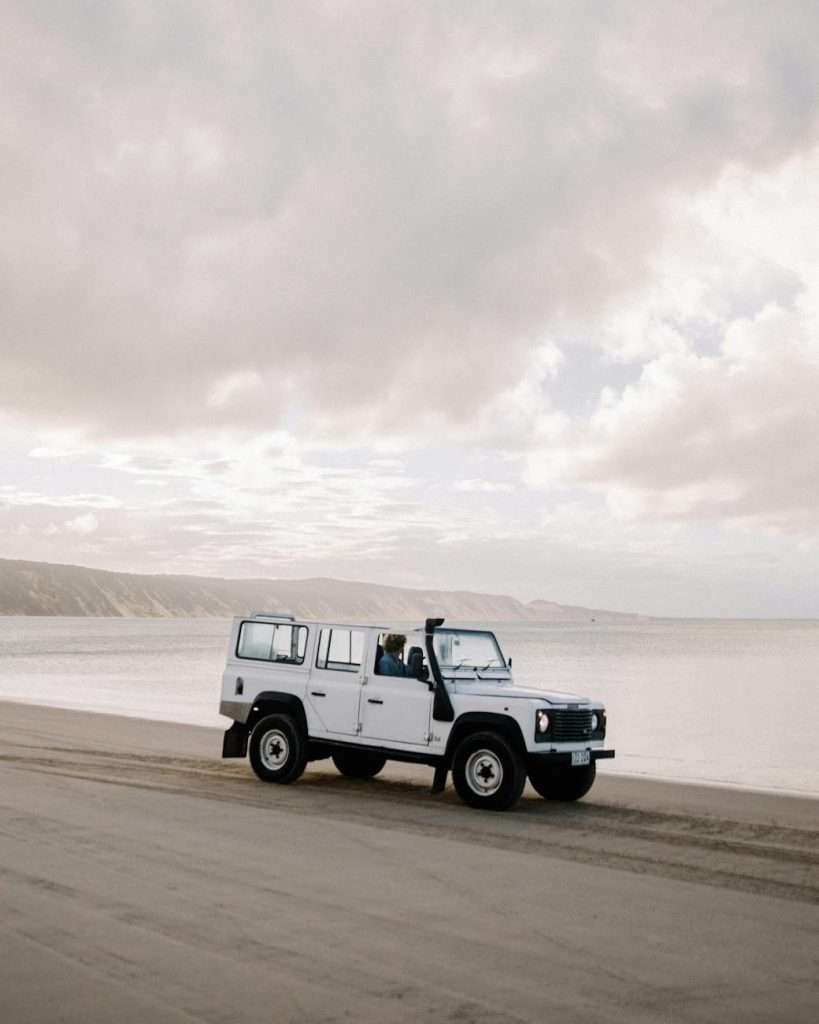
Australia 4×4 Car Hire Options
Australia offers a wide range of driving conditions, from city motorways and sealed touring routes to gravel roads, remote tracks, and coastal access roads. The right 4×4 depends on your route, the number of passengers, luggage needs, and whether you expect to drive mainly on sealed roads or in more demanding areas.
Types of 4×4 Vehicles Available
4×4 rental options in Australia range from compact SUVs to larger touring vehicles and utility models. Not every vehicle in a larger category is designed for the same type of driving, so it is important to check the actual specification rather than rely on the label alone.
| Vehicle Type | Description | Best For |
|---|---|---|
| Compact 4×4 | Smaller vehicle with lower running costs and easier urban driving | City use, touring on sealed roads, and light gravel routes |
| Mid-size 4×4 | More passenger room and better suitability for mixed road conditions | Family travel and longer regional road trips |
| Full-size 4×4 | Larger cabin, greater load capacity, and stronger touring ability | Long-distance trips, remote areas, and heavier luggage requirements |
| Luxury 4×4 | Higher equipment level with added comfort features | Long touring trips where comfort is a priority |
| Utility 4×4 | Practical design with stronger carrying or towing capability | Work travel, equipment transport, and mixed-use routes |
Rental Duration and Costs
Rental prices in Australia vary by region, season, vehicle class, and supplier. One-way bookings, airport pick-up fees, remote area surcharges, insurance upgrades, and additional drivers can all affect the total cost.
| Rental Duration | Indicative Daily Cost | What Usually Affects the Price |
|---|---|---|
| 1 day | Higher daily rate | Short bookings often have the least favourable pricing |
| 3 days | Moderate daily rate | Vehicle class, insurance, and collection location |
| 7 days | Often better average value | Season, demand, and included mileage |
| 14 days or more | Usually lower average daily cost | Long-hire discounts may apply, but extras still increase the total |
When comparing quotes, look at the full booking price rather than the headline daily rate. Insurance excess, fuel policy, mileage rules, and optional extras can significantly change the final cost.
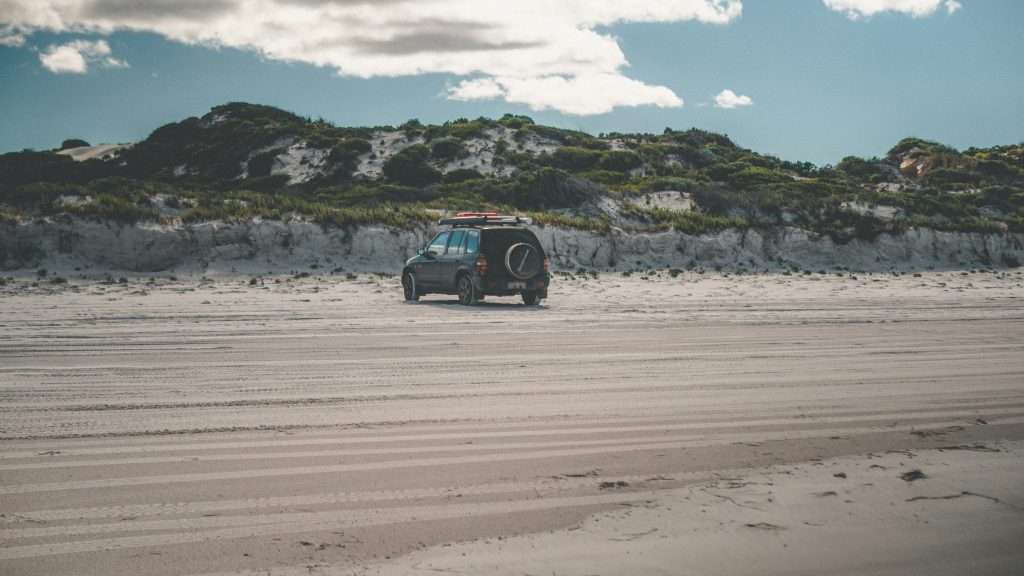
Choosing the Right 4WD Hire in Australia
The most suitable 4×4 depends on where you plan to drive and how much space you need. Australia’s distances are long, and road quality can vary considerably between major highways, regional routes, and remote access roads.
For official travel inspiration and regional planning, Tourism Australia is a useful starting point.
Terrain and Road Conditions
Road conditions should guide your vehicle choice. A compact SUV may be adequate for sealed roads and standard touring routes, while rougher regional roads, steep tracks, and remote areas may justify a more capable vehicle with higher clearance and stronger tyres.
| Terrain Type | Useful Vehicle Features |
|---|---|
| Sealed highways | Comfortable seating, good luggage space, and efficient fuel use |
| Gravel roads | Higher clearance, durable tyres, and stable handling |
| Sandy access roads | Suitable 4WD system and a vehicle permitted for this type of driving |
| Mountain or remote tracks | Stronger drivetrain, good ground clearance, and route-appropriate capability |
It is important to check the rental agreement before planning beach driving, unsealed roads, remote area travel, or river crossings, as many suppliers restrict or exclude these uses.
Passenger Capacity and Luggage Space
Space matters on longer Australian road trips. Choosing a vehicle that is too small can make extended journeys less comfortable, especially if you are carrying camping equipment, surf gear, or several large cases.
| Vehicle Type | Passenger Capacity | Typical Space Use |
|---|---|---|
| Small SUV | Up to 4 | Shorter trips with lighter luggage |
| Mid-size SUV | 5 to 7 | Families or couples with more bags |
| Full-size SUV | 7 to 8 | Longer trips, more passengers, or bulkier equipment |
| 4×4 minibus | 10 to 12 | Larger groups or high luggage requirements |
Before booking, confirm whether the quoted luggage capacity is measured with all seats in use. Seven-seat vehicles often lose a large part of the boot space when the third row is occupied.
Popular Pick-Up Locations
Airports
- Sydney Airport (SYD)
- Melbourne Airport (MEL)
- Brisbane Airport (BNE)
- Perth Airport (PER)
- Adelaide Airport (ADL)
- Cairns Airport (CNS)
- Darwin Airport (DRW)
- Alice Springs Airport (ASP)
- Hobart Airport (HBA)
- Broome Airport (BME)
City Depots
- Sydney CBD
- Melbourne CBD
- Brisbane
- Perth
- Cairns
- Darwin
- Alice Springs
- Broome
- Adelaide
- Hobart
Airport depots are often the most convenient for arriving travellers, while city depots can sometimes offer different pricing or a wider choice for local collection.

Major 4×4 Rental Companies in Australia
- Britz Australia
- Apollo Motorhomes / 4WD
- RedSands Campers
- Bush Camper 4WD Hire
- Trekka Campers
- Cruisin Motorhomes
- 4WD Hire Australia
- Wicked Campers
- Maui Australia
- Boab 4×4 Rentals
Frequently Asked Questions About 4×4 Car Hire in Australia
1. Do you need a 4×4 in Australia?
Not for every trip. If your route is mainly between major cities and tourist centres on sealed roads, a standard car or crossover may be enough. A 4×4 is more useful if you plan to drive on gravel roads, visit remote areas, carry bulky equipment, or travel in regions where road conditions are less predictable.
2. Is every SUV rental in Australia a true 4×4?
No. SUV is a body style, not a guarantee of four-wheel drive. Some SUV rentals are two-wheel drive only and are designed mainly for standard road use. If drivetrain matters for your trip, check whether the vehicle is listed as AWD or 4WD and confirm the actual specification before paying.
3. Are unsealed roads allowed in Australian rental 4x4s?
That depends on the supplier. Some rental companies allow certain graded gravel roads, while others restrict all unsealed road use or exclude remote areas entirely. Beach driving, river crossings, and outback tracks are commonly restricted. Always read the terms carefully and confirm route permissions in writing if your itinerary depends on them.
4. What should you check before booking a 4×4 for an Australian road trip?
Check the total price, insurance excess, mileage rules, fuel policy, additional driver charges, and any restrictions on unsealed roads or remote regions. You should also confirm passenger space, luggage capacity, tyre condition, and whether the vehicle is suited to your actual route rather than the advertised image alone.
5. Is a larger 4×4 always the best choice for Australia?
Not necessarily. A larger 4×4 can offer better luggage space and touring comfort, but it can also cost more, use more fuel, and be harder to park or manoeuvre in towns. The best choice depends on your route, group size, and how much equipment you are carrying. A smaller vehicle may be more practical for standard touring routes.
6. What insurance details matter most on an Australia 4×4 rental?
The most important points are the excess amount and any exclusions for tyres, glass, underbody damage, roof damage, remote area recovery, unsealed roads, or water damage. These exclusions matter because many travellers hire 4x4s specifically for routes where these risks are more relevant than on a standard city rental.
7. Which Australian pick-up locations are best for 4×4 hire?
That depends on your itinerary. Sydney, Melbourne, Brisbane, and Perth are practical for major touring routes and broad vehicle choice. Cairns, Darwin, Alice Springs, and Broome are often more relevant for travellers heading into northern, central, or remote regions where a 4×4 may be more useful. Choosing a pick-up point close to your first major driving stage can reduce time and cost.
8. When should you book a 4×4 in Australia?
It is usually best to book early, especially for school holidays, peak summer travel, or remote area itineraries where specialist vehicles are limited. Booking ahead can improve your choice of vehicle type, transmission, and rental conditions, and may also help you avoid higher last-minute prices.